Futlink
We use cookies to improve your experience and analyse site traffic. By continuing to use our site, you agree to our use of cookies. Read our Privacy Policy.
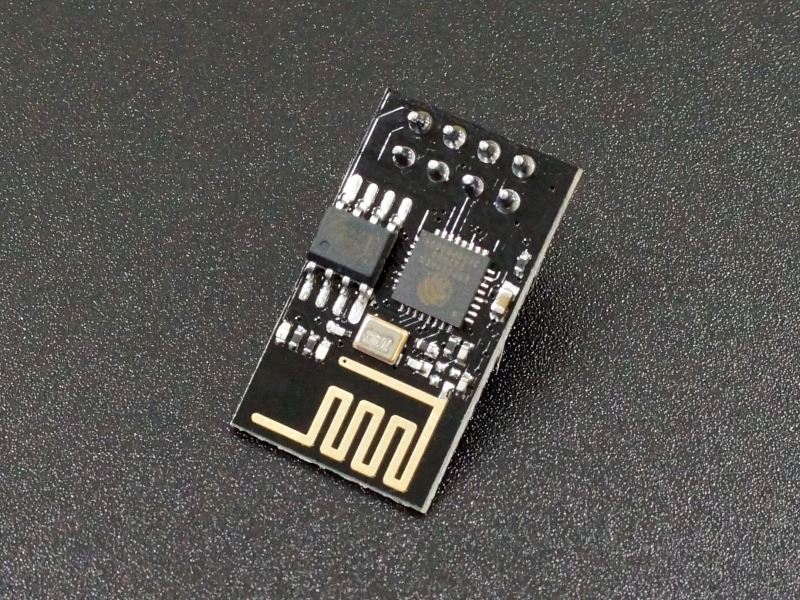
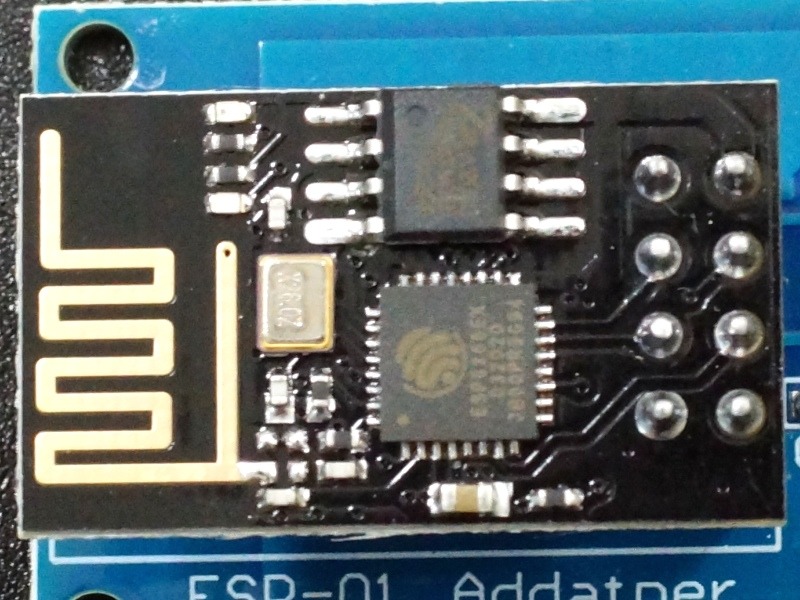
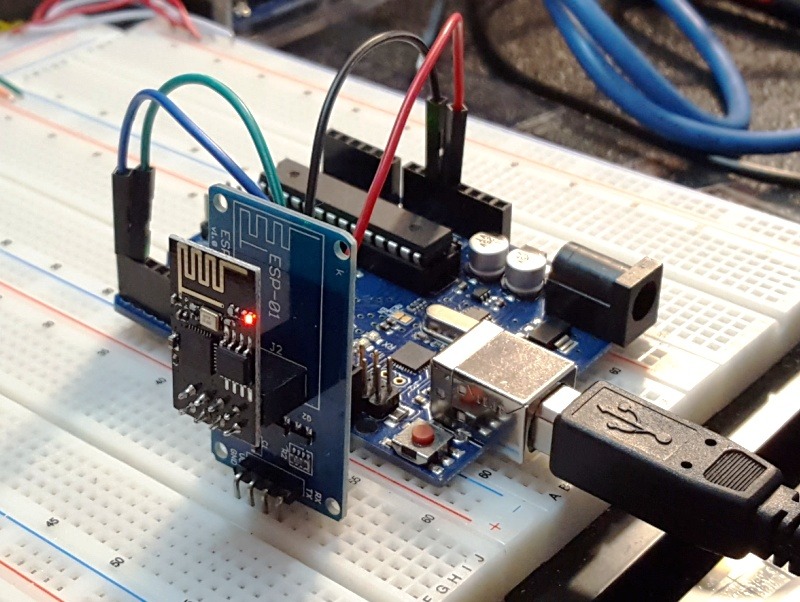
The ESP8266-01S is a compact and low-cost WiFi module that enables microcontrollers to connect seamlessly to wireless networks and perform TCP/IP communications. As an upgraded version of the popular ESP8266-01, it offers improved stability, enhanced performance, and greater compatibility for IoT and embedded applications. With a built-in 32-bit CPU, it can function both as a WiFi adapter or a standalone microcontroller, making it ideal for IoT, automation, and wireless control systems.
Key Features:
Integrated TCP/IP Stack – Enables easy internet connectivity and communication
WiFi 802.11 b/g/n Support – Compatible with standard WiFi networks
Built-In 32-bit CPU – Can operate independently or as a WiFi co-processor
1MB Flash Memory – For firmware and data storage
Multiple Operating Modes – AP (Access Point), STA (Station), and AP+STA
UART Interface – Simplifies serial communication and integration with microcontrollers
Low Power Consumption – Supports deep sleep for battery-powered applications
Compact Design – Small footprint for space-constrained projects
Specifications
Microcontroller: Tensilica L106 32-bit RISC Processor (80 MHz)
Operating Voltage: 3.0 V – 3.6 V
Flash Memory: 1 MB
RAM: 50 kB
WiFi Standards: 802.11 b/g/n
Frequency Range: 2.4 GHz – 2.5 GHz
Data Rate: Up to 1 Mbps
UART Baud Rate: 9600 bps (default, configurable)
GPIO Pins: 2 (GPIO0, GPIO2)
Operating Current: ~70 mA (typical)
Deep Sleep Current: < 10 µA
Operating Temperature: −40 °C to +125 °C
Dimensions: 25 mm × 15 mm × 6 mm
Application:
IoT Devices – Wireless connectivity for smart devices and sensors
Home Automation – Control lighting, appliances, and systems remotely
Wireless Sensor Networks – Data transmission between distributed nodes
Remote Data Logging – Upload sensor data to servers or cloud platforms
Smart Appliances – Integrate WiFi control in consumer electronics
Wearable Tech & DIY Projects – Ideal for embedded hobby and development use
Usage:
Connection:
Connect the VCC pin to a 3.3V power supply and GND to ground.
Connect the TX and RX pins to the UART interface of the microcontroller (with proper voltage level shifting if necessary).
Use GPIO0 and GPIO2 for additional control and sensor connections.
Programming:
Use AT commands to configure and control the module via a serial interface.
Optionally, use the Arduino IDE or other compatible development environments to write custom firmware for the ESP8266.
WiFi Configuration:
Configure the WiFi settings (SSID and password) using AT commands or custom firmware.
Establish TCP/IP connections for data communication with remote servers or local networks.
Caution:
Ensure the module operates within the specified voltage range to avoid damage.
Handle the module carefully to avoid static discharge and physical damage.
Use proper level shifting for UART communication if connecting to a 5V microcontroller.
Datasheet: For detailed technical specifications, refer to the ESP8266 01S Datasheet.
₦3,500
Similar products you may be interested in